

 See My Latest Article on HelloNation
Why Do Cavities Happen and Who Is Most at Risk?
Cavities form when bacteria in the mouth break down sugars, producing acids that weaken tooth enamel. This ongoing process can eventually lead to holes in the teeth called cavities. In the city’s diverse homes—from historic row houses to newer developments—the combination of daily diets, water quality, and varying dental habits can all influence cavity risk. Children, teens, and older adults are especially susceptible, but everyone in the community can be affected.
What Daily Habits Really Matter for Preventing Cavities?
Consistent oral hygiene remains the foundation for cavity prevention. Brushing and flossing effectively, along with paying attention to timing and technique, make the biggest difference.
- Brush teeth twice daily, morning and night, with a fluoride toothpaste. Fluoride helps repair weak spots before they turn into cavities.
- Floss once daily to remove food and plaque between teeth where brushes can’t reach—especially important in households where snacks and shared meals are frequent.
- Rinse with water after eating if brushing is not possible, such as during long local events or while enjoying the city’s public parks.
Misconceptions are common. Rinsing right after brushing may actually wash away concentrated fluoride, so it’s wise to just spit out the residue, not rinse. Electric toothbrushes aren’t mandatory; proper technique with any toothbrush is more important than the device itself.
How Do Local Diet and Water Affect Tooth Decay?
Diet has a direct impact on oral health, especially in the context of seasonal foods and available beverages. In Bethlehem, area households often enjoy local produce and baked goods, but many typical snacks and soft drinks contain hidden sugars.
- Frequent snacking or sipping sugary drinks increases cavity risk, as it continuously feeds mouth bacteria.
- Choose water as your main beverage. Local tap water in Bethlehem is fluoridated, which strengthens teeth naturally.
- Limit sticky snacks like dried fruits or chewy candies that linger on teeth, feeding bacteria for longer periods.
Some families believe that “natural” sugars, such as those in honey or fruit juice, are safer—but bacteria can use both naturally occurring and processed sugars to produce acids.
Does the Local Climate or Season Affect Preventive Needs?
Cold, dry winters common in Bethlehem can lead to dry mouth, especially indoors with heating running. Less saliva means less natural cleansing of the teeth and a higher chance for cavities to develop, especially overnight.
- Use a humidifier in bedrooms during winter months to maintain moisture in the air.
- Chew sugar-free gum to help stimulate saliva—an unsung hero in naturally washing away acids and food particles.
During summer and outdoor festival season, dehydration risk increases, so it’s essential to drink plain water and avoid frequent sugary sports drinks.
Are There Overlooked Factors in Family Routines?
Even with good brushing habits, other patterns can impact dental health:
- Sharing utensils between family members can transfer cavity-causing bacteria, especially from adults to young children.
- Bedtime bottles or sippy cups with anything besides water can lead to severe “baby bottle tooth decay.”
- Athletic activities popular in the community, such as youth soccer or running, sometimes involve sipping sugary sports drinks—better to stick with water during and after games.
How Often Should Oral Health Be Checked at Home?
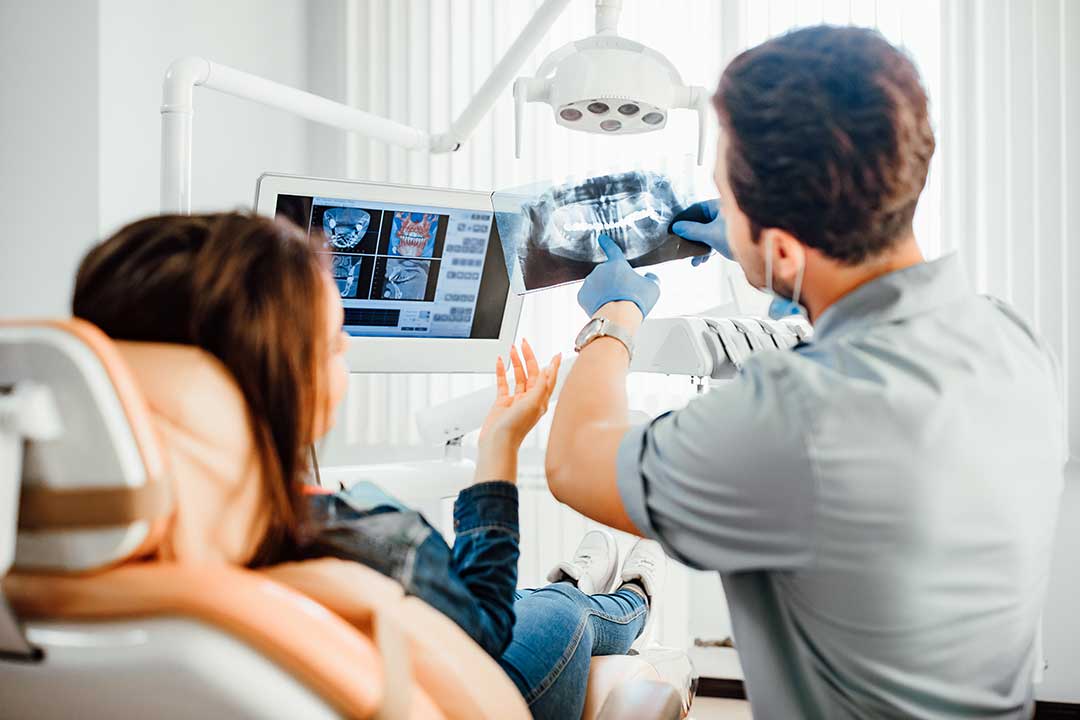
Periodic checks at home can catch problems early. Parents can lift the lip and look for early white spots or brown spots on children’s teeth. Adults should examine the edges of their teeth and around any dental work for signs of sticky residue, discoloration, or discomfort.
Early spotting and adjusting of daily habits can prevent small problems from becoming bigger issues.
What Should Residents Know About Fluoride and Dental Sealants?
Fluoride is one of the best-studied tools for cavity prevention. Local tap water in Bethlehem contains levels designed to strengthen enamel. Some toothpaste and mouth rinses also provide additional fluoride protection.
Dental sealants are thin coatings applied to the chewing surfaces of back teeth, often used for children or teens with newly erupted molars. These seal out bacteria and can be worthwhile in households with higher cavity risk due to genetics or dietary factors.
Are Natural or “Alternative” Remedies Effective?
Popular “home remedies” such as coconut oil pulling or herbal rinses are not proven to prevent cavities. While these natural practices may promote a feeling of cleanliness, they cannot replace the effectiveness of fluoride and mechanical plaque removal.
What Local Challenges or Community Factors Play a Role?
Bethlehem’s historic housing stock sometimes means old plumbing with inconsistent water quality in older homes. If a household uses well water or bottled water without fluoride, there’s a higher risk for decay and consideration of other sources of fluoride may be needed.
The city has a mix of walkable neighborhoods and car-dependent areas where access to grocery stores and fresh foods varies. Families with limited access to fresh produce and healthy snacks may rely more on packaged foods, which are often higher in cavity-promoting sugars.
Staying mindful of these factors and building practical routines—like packing tap water and healthy snacks for outings or using a fluoride mouth rinse when using non-fluoridated water—helps strengthen the community’s collective oral health.