

 See My Latest Article on HelloNation

How Frequently Do Most People Need Dental Checkups?
For most children and adults, having a dental checkup twice per year is enough to maintain healthy teeth and gums. This guideline is recommended by leading dental associations and is based on decades of research about how quickly oral health problems can start and progress—even with good home care.
However, the exact timing for checkups isn’t the same for everyone. Some people in Bethlehem—depending on health status, age, lifestyle, and even the local climate—may need to visit more or less frequently. The twice-a-year schedule is a helpful rule of thumb, but personalized care is what truly keeps smiles healthy year-round.
Who Should Go More or Less Often?
Some residents benefit from seeing a dentist more than twice annually. Here’s how to know where you might fit:
- Higher-Risk Individuals: People with chronic conditions like diabetes, ongoing gum issues, a history of frequent cavities, or those who smoke, often need more frequent visits (every 3-4 months). These factors raise the risk of rapid dental problems, so earlier intervention is safer.
- Children & Teens: Rapid growth, orthodontic changes, and evolving hygiene habits mean younger residents may need more regular checkups, especially as permanent teeth erupt or braces are in place.
- Pregnant Individuals: Hormonal changes in pregnancy can make gums more sensitive, sometimes raising the risk of gum disease. Extra checkups might be recommended.
- Those With Excellent Oral Health: For adults with years of cavity-free checkups, healthy gums, and solid daily routines, some dental professionals may suggest visiting every 9-12 months, though skipping preventive care entirely is never advised.
Why Does the Local Environment Matter?
Bethlehem’s climate, seasonal changes, and mix of older and newer housing can play a part in dental needs. Factors that may influence oral health in the city include:
- Public Water Fluoridation: Most area households benefit from fluoridated water, which strengthens enamel and lowers cavity risk. Private well users or those who drink only bottled water may need closer attention to their teeth.
- Allergies and Sinus Problems: Seasonal allergies, fueled by the region’s tree pollen and humidity, can lead to mouth breathing, dryness, and increased cavity risk. This makes routine professional cleanings especially important in spring and fall.
- Heaters and Dry Winter Air: Prolonged indoor heating can dry out the mouth, which affects saliva production and makes cavities or gum issues more likely during the cold months.
Staying aware of these seasonal and infrastructure factors can help locals protect their oral health with the right visit schedule.
What Happens At a Typical Dental Visit?
Routine dental visits in the area usually include:
- A thorough cleaning to remove tartar and plaque that regular brushing can’t handle
- A careful exam for cavities, gum disease, and early signs of oral cancer
- Periodic dental X-rays when needed (not always at every appointment)
- Personalized counsel on home hygiene, eating habits, and lifestyle factors
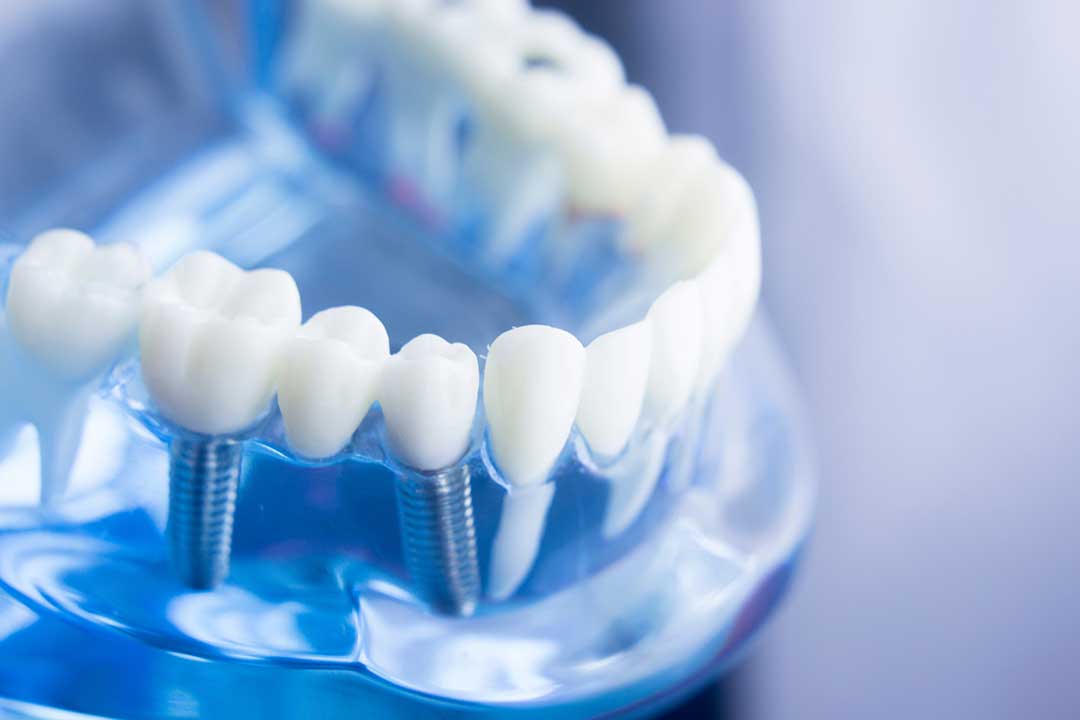
For most residents, these preventative checks are quick, painless, and cost far less time and stress than treating advanced dental issues.
What If I Don’t Have Symptoms?
It’s a common myth that you only need the dentist if you have pain or visible problems. In reality, many dental issues—like cavities, gum disease, and even some oral cancers—can progress with few or no symptoms in the early stages. By the time discomfort appears, treatment may be more complex or costly.
Regular preventive visits catch these concerns early, often allowing for simpler, less invasive solutions.
How Does Dental Coverage Affect Visit Frequency?
Some local households have dental insurance that covers two cleanings or checkups per year. While insurance coverage can influence when people go, it’s not the only deciding factor. Individuals without coverage can still plan affordable visits at the interval that fits their risk level and health needs. Schools, public health programs, or local clinics may offer extra support for children or underserved groups to maintain annual checkups.
What If I’ve Skipped a Few Years?
It’s not unusual for area adults to go several years without seeing a dentist—especially during life transitions, busy family schedules, or disruptions like moving or the pandemic. The best step after a gap is to schedule an updated exam and cleaning, regardless of how long it’s been. Dental professionals can help create a personalized plan to get back on track and prevent future issues.
Are Home Care Habits Enough?
Daily brushing and flossing, along with limiting sugary snacks and drinks, are crucial for everyone in Bethlehem. But even the best home routines can’t fully replace professional cleanings. Hardened tartar, tiny cavities, and gum inflammation require trained eyes and specialized tools to identify early.
Skipping professional visits while keeping up with oral hygiene is better than nothing, but most people will eventually miss the warning signs that a dentist is trained to spot.
Summary of Local Considerations
To sum up, the standard recommendation is a dental visit every six months, but local climate, health status, water source, insurance, and family routines can all play a part. Preventive care—especially in a four-season region like Bethlehem—helps area families protect their health and avoid unexpected dental costs or emergencies.